How to Decide Whether Your Business Needs a Simple Closing Checklist Before You Lock Up Each Night
Small-business owners can prevent costly oversights and next-morning scrambles by building a short closing routine before a missed step causes a real problem.
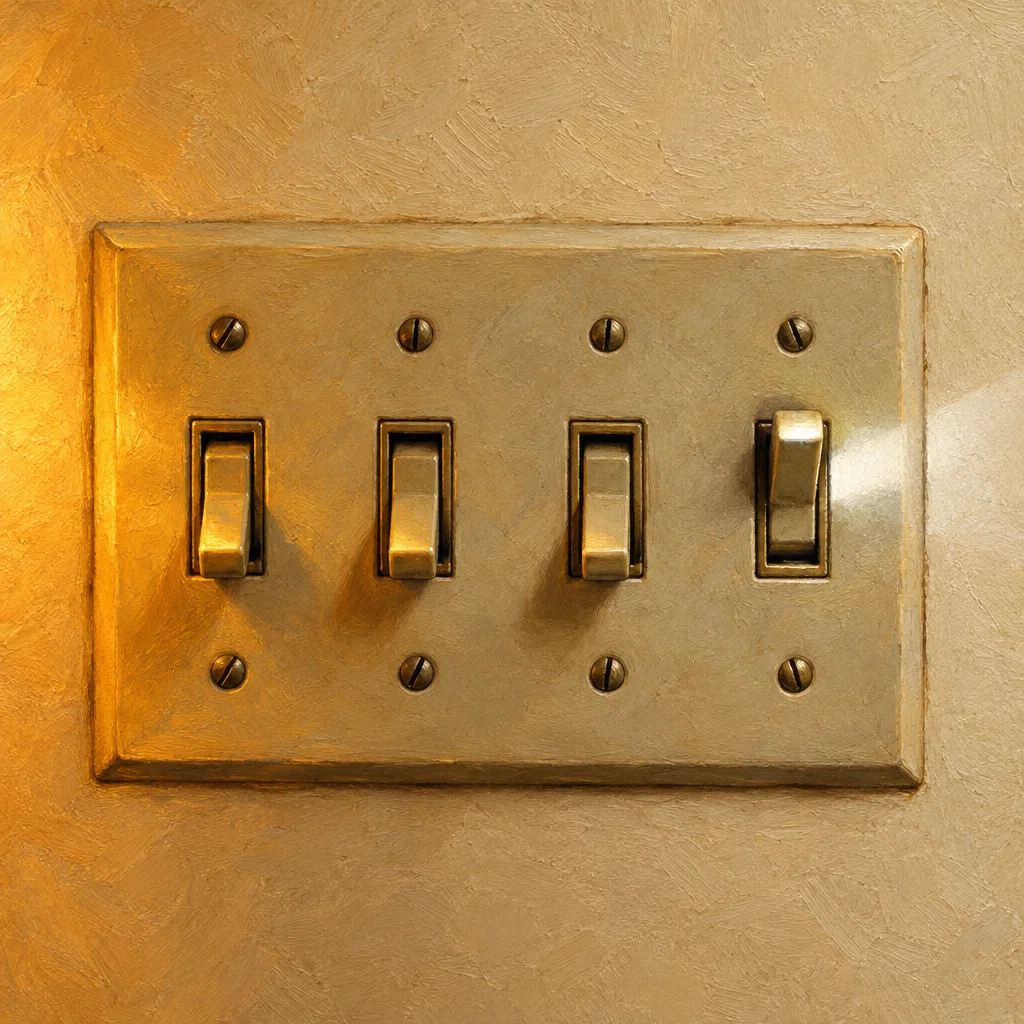
Most small-business owners have experienced at least one version of this: you arrive the next morning to find the register was never balanced, a refrigerator door was left ajar, or the alarm was never set. These are not signs of carelessness. They are signs that your closing process lives entirely in someone's memory, and memory is unreliable under pressure, fatigue, or distraction.
A written closing checklist removes that dependency. It takes less than an hour to build and almost no money to maintain. This article walks you through how to decide whether you need one, what to put in it, and how to make it stick.
When a Closing Checklist Pays Off
Not every business needs a formal closing procedure. If you operate alone, work from home, and have almost nothing to shut down at the end of a session, a mental habit may be enough.
But a closing checklist earns its place quickly if any of these apply to your situation:
- You have at least one employee or helper who closes without you present
- Your business involves cash, food, equipment, or physical security
- You have had even one incident where something was missed at closing
- Your business hours end after you are already tired or distracted
- You rotate closing duties among different people
If two or more of these fit, a written list is almost certainly worth your time.
What Goes on a Closing Checklist
A useful closing checklist is not a training manual. It is a short, scannable list of discrete actions that someone can check off in real time. Keep it to one page or one screen.
Most small businesses can organize closing tasks into four categories:
Cash and payments. This includes balancing the drawer, printing the day's sales report, preparing any deposits, and logging discrepancies. Even if you use card-only payments, you likely want to confirm the point-of-sale system closed the batch correctly.
Physical safety and security. This means lights, locks, alarms, safes, and anything that affects the security of your space overnight. If you have a delivery entrance, a back door, or a loading area, those belong here too.
Equipment and utilities. Depending on your business, this could mean shutting down machinery, confirming appliances are off, checking that anything temperature-sensitive is stored correctly, and powering down computers or displays.
Cleanliness and readiness for tomorrow. This is often the most skipped category. Tasks like wiping down surfaces, restocking basic supplies, setting out materials for the first task of the next day, and taking out trash help your morning start faster and feel less chaotic.
A hypothetical example: a two-person bakery might include checking that the walk-in cooler is latched, logging the closing cash count, confirming the oven is off, setting the alarm, and restocking the to-go bag station for the morning rush. That is five items. The whole check probably takes under ten minutes.
How to Build Yours
The fastest way to build a closing checklist is to close up tonight as you normally would, and write down every action you take in order. Then ask yourself two questions about the resulting list: What have you forgotten to do in the past that caused a problem? What would a new employee be most likely to skip?
Add those items to your list. Then cut anything redundant or irrelevant.
Format matters more than you might expect. A printed checklist with checkbox squares is easy to use and leaves a paper trail if you want one. A shared digital checklist in a tool like Google Tasks, Notion, or a simple shared note works well if your team already lives in those tools. Whatever format you choose, the person closing should be able to access it without hunting for it.
Post it where closing actually happens, whether that is near the register, next to the back door, or pinned in a group chat. A checklist no one can find at 9 p.m. does not help anyone.
Getting Your Team to Use It
A checklist only works if people actually run through it rather than skimming it or skipping it entirely. A few practical suggestions:
Introduce it during a calm moment, not during a closing shift. Walk through it once with anyone who closes so they understand why each item is there. People follow procedures more reliably when they understand the consequence of skipping a step.
Ask closers to initial or check off each item and either keep the sheet or photograph it. This is not about surveillance. It is about giving people a clear signal that the task is complete. It also helps if you ever need to reconstruct what happened on a particular night.
Review the checklist every few months. Businesses change. Items that were once critical may become irrelevant, and new risks may have appeared. A checklist that has not been updated in two years often gets ignored because staff can tell it no longer reflects reality.
Common Reasons Owners Skip This Step
The most common objection is that it feels like overkill for a small operation. If your team is just you, that is a fair point. But if anyone else ever closes in your absence, you are relying on their memory, their judgment about what matters, and their comfort level making decisions alone. A checklist is not a sign of distrust. It is a gift that removes ambiguity.
Another common hesitation is not knowing where to start. Starting from tonight's actual closing walk is the simplest fix. You already know your space and your risks better than anyone.
A Realistic Time and Cost Estimate
Building a first version of a closing checklist should take about 30 to 45 minutes. Printing and posting it is a few cents. If you use a shared digital tool, there is likely no added cost if you are already subscribed.
The return is harder to quantify, but consider what one missed alarm, one unlatched walk-in cooler, or one unrecorded cash discrepancy actually costs you. For most businesses, a single avoided incident covers years of this kind of preparation.
Summary
A simple closing checklist reduces the chance that something important gets missed at the end of the day, especially when someone other than you is locking up. Build it by documenting your actual closing steps tonight, adding any items that have caused problems in the past, and formatting it so anyone can run through it in under ten minutes. Review it a few times a year and update it when your operations change. The investment is small and the protection is real.